

The DNM1L Foundation was created to address two critical gaps in rare disease research: families navigating diagnosis often lack community and direction, and researchers interested in studying DNM1L lack organized infrastructure and accessible longitudinal data.
Our mission is to change that.
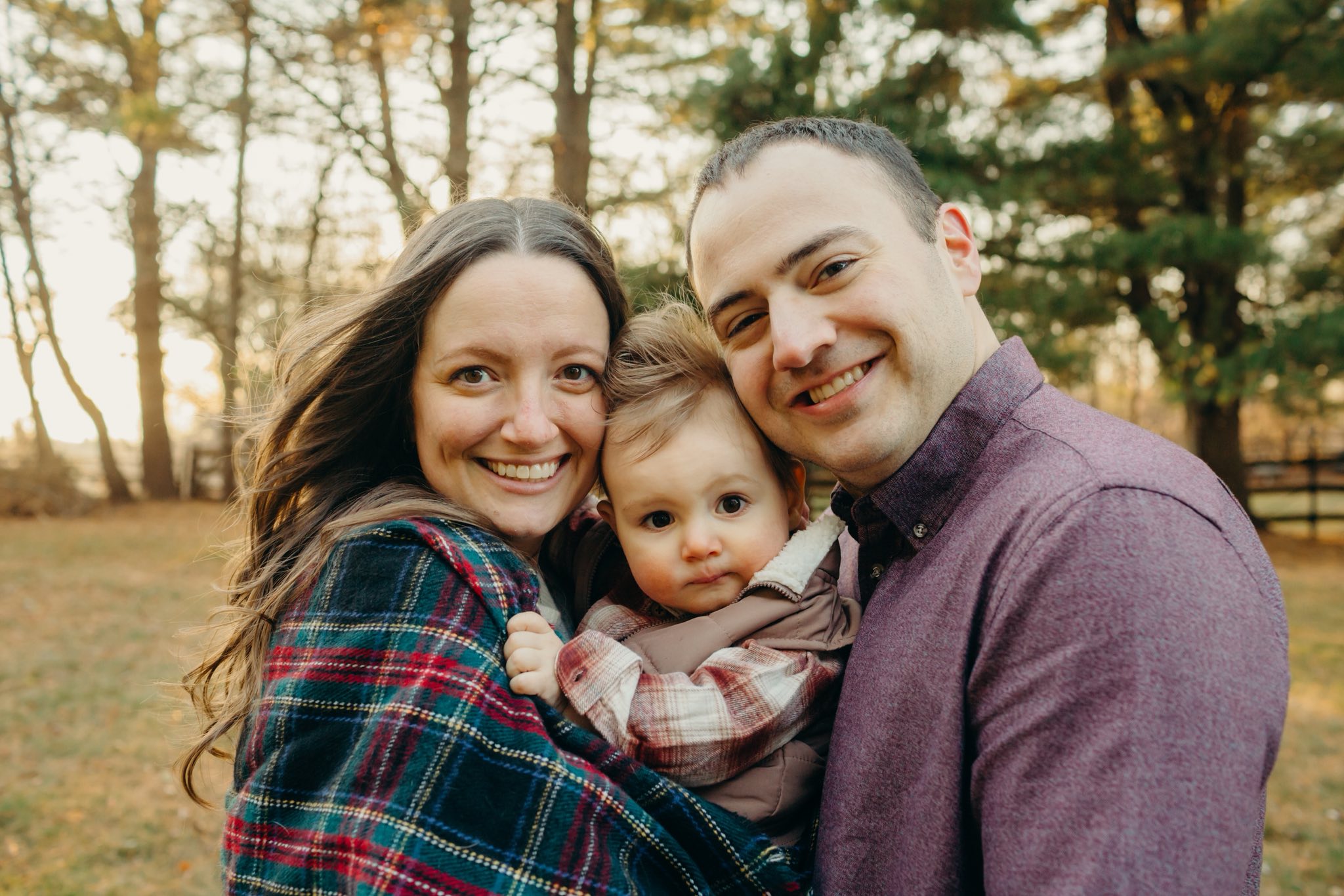
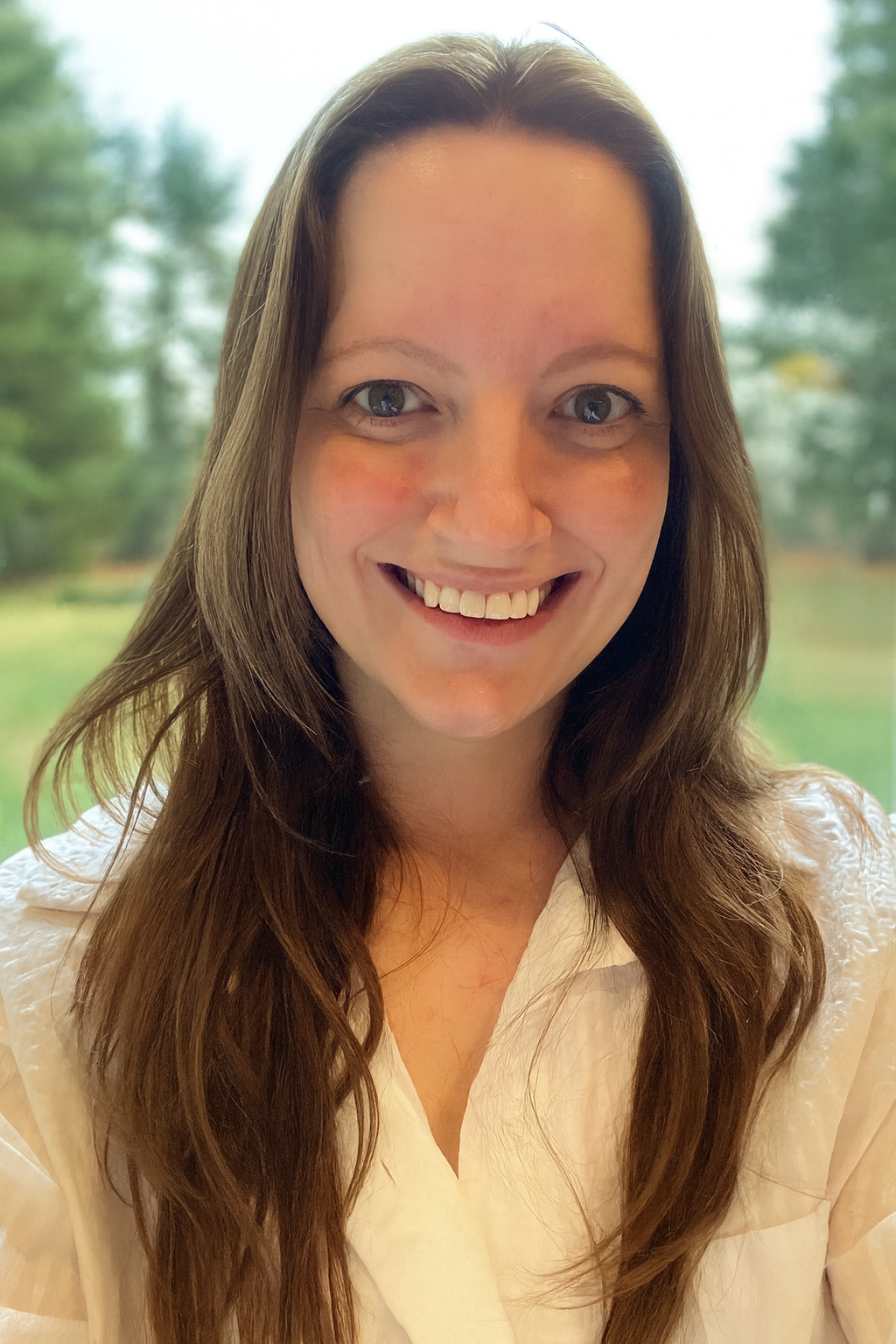
As our community continues to grow, so must our leadership. We are proud to welcome Julia Klepser to the Board of the DNM1L Foundation.
From Diagnosis to Determination
In December, Julia and her husband, Nate, received the diagnosis that their son Wesley has a middle-domain DNM1L mutation, following months of developmental concerns and extensive testing. Whole genome sequencing ultimately provided clarity — and a new path forward.
Wesley is currently followed by the Mitochondrial Medicine Program at the Children’s Hospital of Philadelphia and participates in early intervention and outpatient therapies. Like many families in our community, Julia and Nate quickly transitioned from shock to action — seeking connection, education, and meaningful next steps.
That search led them to the DNM1L Foundation.
Science, Education, and Communication
Julia holds a bachelor’s degree in Biology from Penn State University and a master’s degree in Secondary Science Education from the University of Pennsylvania. Her academic training includes molecular biology research experience as well as years of classroom instruction.
This combination is particularly valuable in rare disease advocacy.
Progress requires leaders who can engage with emerging research, ask informed questions, and translate complex scientific concepts into language families can understand. Julia brings both scientific literacy and a teacher’s clarity to our Board — strengthening communication between researchers and the community we serve.
As the Foundation formalizes its Scientific Advisory efforts, expands our Natural History Study, and deepens collaboration with clinicians and investigators, her ability to bridge science and lived experience will be an important asset.
Building Infrastructure That Enables Scientific Progress
Advancing research in rare disease requires more than awareness — it requires alignment with the practical realities of academic and translational science.
For investigators considering work in DNM1L, several important questions arise:
Will studying this gene generate insight beyond a single rare condition?
Is the patient community organized, and are clinical data and research tools accessible?
Do I have the capability and capacity within my lab or institution to contribute meaningfully?
These are responsible scientific considerations.
DNM1L sits at a biologically significant intersection of mitochondrial and peroxisomal dynamics — processes fundamental to cellular stress adaptation, metabolic regulation, and neurobiology. As interest continues to grow around organelle communication and metabolic resilience, DNM1L represents more than a rare diagnosis; it represents an opportunity to better understand core mechanisms of cellular function.
The DNM1L Foundation is committed to reducing barriers to entry for researchers. By organizing families, centralizing longitudinal clinical information through our Natural History Study, and fostering structured collaboration between scientists and the community, we are building the infrastructure necessary for sustained scientific engagement.
Welcoming leaders like Julia strengthens that foundation.
A Growing Community with Purpose
Rare disease progress does not happen by accident. It requires families willing to engage, clinicians willing to collaborate, and researchers willing to ask difficult questions.
Julia joins a growing group of parents, advisors, and advocates committed to accelerating research while strengthening support for families today. Her leadership reflects what defines this Foundation: clarity of purpose, scientific rigor, and deep commitment to the value of every child affected by DNM1L.
We are grateful for her voice, her expertise, and her determination.
Please join us in welcoming Julia Klepser to the DNM1L Foundation Board as we continue giving families the fuel to fight — and researchers the tools to help them.

Our Mission
By highlighting ongoing research, sharing advancements, and emphasizing the importance of financial support, we aim to inspire our readers to take action in this fight against DNM1L. We look forward to a future where scientific breakthroughs bring relief, hope, and answers to those living with this rare condition.


